

Reviewed by the Palmako UK content team with insights from our garden building experts.
The sun doesn’t feel quite so hot, the nights are colder, and you’re thinking of getting out the woollies. Yes, winter is coming. For most of the year, you’ve been successfully growing all sorts of interesting things in your greenhouse, but now you wonder if you can continue.
The answer is: Yes, you can. We’ll tell you exactly what you can grow, how to protect your crops, for year-round access to fresh produce.
Quick Overview
Many vegetables, salads, and herbs can be grown in a greenhouse in winter. This includes leafy greens, root vegetables, hardy brassicas, and cold-tolerant herbs. With basic insulation, frost protection, and correct watering, a winter greenhouse allows UK gardeners to grow fresh produce, even in cold weather.
What’s in this article?
- What you can grow successfully in winter
- How to protect your greenhouse crops throughout the winter
- Final thoughts
- FAQs: Answering popular questions
What you can grow successfully in winter
|
Leafy greens |
Arctic king winter lettuce, lamb’s lettuce, pak choi, claytonia, land cress, rocket, mustard greens, pea shoots, microgreens, swiss chard |
|
Roots crops |
Carrots, beetroot, turnips, potatoes |
|
Hardy brassicas |
Brussels sprouts, cabbage, broccoli, radishes |
|
Herbs |
Coriander, parsley, chives, thyme, rosemary, oregano, sage, |
|
Seed sowing* |
Broad beans, peas, spring onions, peppers, chillies, cauliflower, aubergines |
|
Cold-tolerant flowers |
Beauty Queen, Yuletide, Violas, snapdragons, calendula, pansies, sweet peas |
*For planting out in early spring
Leafy greens

The winter season doesn’t have to stop you from growing green leafy plants. They are much hardier than most people realise, and depending on where you live, you won’t even need a heated greenhouse to grow them successfully.
If you start sowing seeds in late autumn, then young plants will be ready for planting in winter. Harvest a few leaves every 10-20 days from the outside of the plant, and don’t be worried if you see the leaves drop on frosty days. They will pick up again when the sun comes out.
Greenhouses come in different designs and sizes, and this dictates what plants you can grow in them. Small greenhouses allow you to grow small varieties of leafy greens, hardy brassicas, and herbs, but if you’re interested in bigger crops, you’ll need up to 20m2. For size guides, check out Palmako’s greenhouse collection.
Root crops
Root vegetables require more patience because they are slower growing, but planting in the winter season means you can keep enjoying root crops into early summer and beyond. They need well-drained soil and containers for best results. Gardeners are surprised to learn they can grow potatoes, carrots, beets, and turnips in large buckets, or even old plastic bins with holes in the bottom for drainage. Watch the amount of water you use, and ventilate on sunny, warmer days.
Hardy brassicas
The cold season is perfect for growing hardy brassicas like kale, broccoli, brussels sprouts, and even cauliflower (however, it's less resistant to cold than its counterpart - broccoli). These nutrient-rich plants are perfect for winter soups and stews. They have a distinctive flavour from mild to spicy and are a great source of fibre. Radishes are the quickest to mature, and can be ready within four weeks of sowing.
Herbs

When temperatures drop, winter-growing herbs bring a delightful fragrance to your greenhouse. During winter, most people tend to eat more hearty meals, and herbs are the perfect complement for festive dishes. The woody herbs like thyme, rosemary, sage, and lavender respond well to colder weather, but you need to ensure they have adequate drainage. Also, make sure you keep an eye on them for pests and diseases. We’ll talk more about this later.
Herbs are ideal for hanging baskets because they’ll get more light (which they love), and drainage will be better. Don’t be afraid to plant a variety of herbs in one basket or even to pair them with small flowering plants. Some varieties will be excellent for dishes in the winter, and then yield colourful flowers in the spring.
If all this talk about growing things has made you wonder what you can grow in other seasons, then ‘What to grow in a greenhouse’ will keep you inspired year-round.
Seed sowing
Late winter is a great time to start off some sunseekers that are slow-growing seedlings, but will be ready for harvest in the spring and summer. Sow your seeds in shallow trays or containers, depending on what you’re growing, and replant when the young plants are an adequate size.
While broad beans, peppers, aubergines, and tomatoes are great choices, you can still sow some root veg seeds and leafy greens. This will give you a new harvest in the warmer months.
This video by Ben from GrowVeg discusses the different types of seeds you can sow in January.
Cold-tolerant flowers

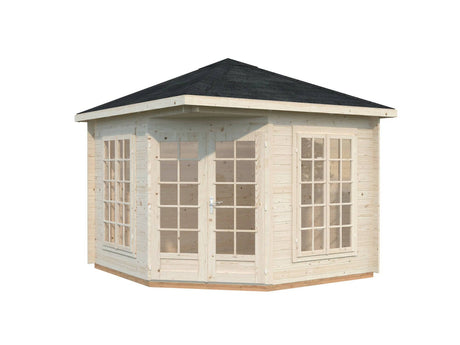
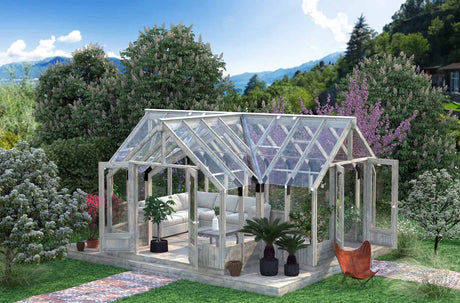
Palmako Emilia S Greenhouse 5.4m2
Growing vegetables is not your only option during winter. When trees have lost leaves, and other outdoor plants are looking bare and dreary, flowering plants in your greenhouse can provide colour and a much-needed ‘pick-me-up’ in cold weather. Good choices are:
- Evergreen shrubs like the ‘Beauty Queen’ (Calluna Vulgaris), or Winter Sun.
- Yuletide (Camillia Sasanqua).
- Viola Pansy.
- Cyclamen.
- Ornamental kale.
- Ice N’ Roses (Helleborus)
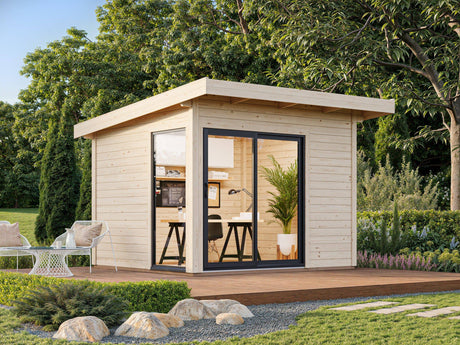
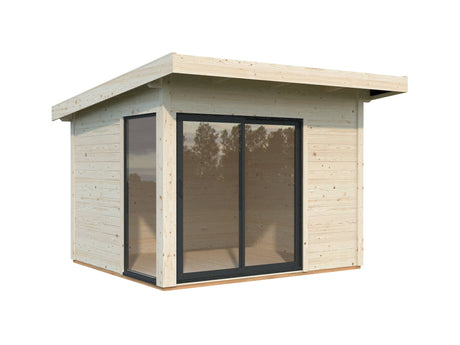
If you want your greenhouse to look its best in winter, keep garden equipment, soil, pesticides, and empty containers in a shed. Sheds are often paired with greenhouses because they also provide ideal storage. What size shed do I need offers you a look at the latest shed sizes and options on the market.
How to protect your greenhouse crops throughout the winter

As every gardener knows, there are certain times of year when you need to go to a little more trouble to protect your plants from frost, insects, and disease. Winter is one of those times, but with a few small adjustments, you can successfully prevent the loss of your winter crops.
Insulation
Start this exercise by cleaning the glass panes in your greenhouse. You often get algae growing or limescale buildup in hard water areas. This will help light enter the greenhouse despite using insulation. The next step is to insulate with bubble wrap. Placing the bubble wrap inside it will trap heat and act as a barrier between the plants and the cold glass panes. This will keep the internal temperature at the optimal range and keep the greenhouse frost-free.
The ideal temperature range for a winter greenhouse is between 4-10 degrees Celsius. Thermometers will help you manage this, and for remote monitoring, smart sensors can be connected to your mobile phone.
For large greenhouses, you don’t have to insulate the entire space; just set up one section for insulation and put the plants that need extra warmth in that section.
Internal heating solutions
Thermal mass is a fantastic way to heat your greenhouse all winter long. Thermal mass is when the heat from the sun warms up certain materials, and those materials hold the heat when the sunlight drops away. It then slowly releases that heat back into the environment. Concrete slabs are one way of doing this, and at the same time, they provide the perfect base for planters and containers.
Disease control
Creating the ideal environment in your greenhouse in the winter months can ensure plants stay healthy, which is vital for controlling disease (like mildew and fungi). Trapped moisture creates favourable conditions for disease, so keep humidity between 80-85% by opening doors and windows on warmer days.
If you do notice mildew spots and fungus, remove the foliage immediately. You can also try homemade remedies, such as milk spray, by mixing four parts milk with six parts water to treat early powdery mildew.
Final thoughts

Greenhouses are truly glorious structures that bring a lot of joy to gardeners, family, and friends. They’ve been part of our heritage in the greater United Kingdom for centuries, and they still hold appeal today for growing fresh produce - even in winter.
With cold-tolerant crops, simple insulation and heating, and commitment, you can grow healthy, nutritious and beautiful vegetables, herbs, and flowers. By getting started early, you can extend the growing season in your greenhouse and say goodbye to shop-bought produce. Good luck and see you next season.
FAQs: What to grow in a greenhouse in winter
1. Is it possible to grow plants in an unheated greenhouse in winter?
Yes, growing crops is possible in an unheated greenhouse, but you will need to pick the right crops and take precautions to stop plants from being affected by frost, mold and fungal diseases. Crops like kale, lettuce, rocket, carrots, pea shoots, brussels sprouts, thyme, and rosemary do well in colder weather - even if your greenhouse is not heated.
2. Can I grow anything in my greenhouse in October?
Yes, you can still grow crops in your greenhouse in October. Some you will be able to harvest in winter, and others will be an early spring harvest. Try peas, broad beans, cauliflower, shallot sets, herbs, and carrots. You can also cultivate spring planting bulbs like Lilies, alliums, and crocosmia.
3. What should I not grow in winter in my greenhouse?
Plants that are difficult to grow indoors, are invasive, and need a big growing area are not suitable for a greenhouse. Plants like corn, which require wind to pollinate the plant, and vines that creep and can block out light for other plants (like passionflower). Also, weeds that produce many seeds, such as crabgrass, do not make for a good greenhouse experience. Large trees like banana or citrus trees aren’t for small spaces, and are difficult to remove once rooted.
4. How can I protect my greenhouse plants from the cold in winter?
Protecting your plants from the cold involves using insulation like bubble wrap, sealing gaps and cracks between the frames and glass panels, and fixing ill-fitting doors. Frost protection fleece can be used to cover individual plants, and if needed, paraffin heaters can be used to gently heat the inside of the greenhouse. You can also consider installing brick paving, which absorbs the heat during the day and releases it at night. Tender plants can be moved indoors to protect them during a really cold spell.
Sources:
- 12 Frost-Resistant Herbs and Vegetables to Grow in Winter • Gardenary
- Growing Vegetables in a Winter Greenhouse - by Roger Marshall
- How To Grow Winter Salads and Leaves in Greenhouses, Tunnels and under Cloches in The UK - Bite Sized Gardening
- Beginner's Guide - Growing From Seed