

Reviewed by the Palmako UK content team with insights from our garden building experts.
When you’ve tried your hand at growing crops outdoors only to have the weather and the bugs ruin everything, you’re in the right mood for buying a greenhouse. There are far more options than you can imagine for greenhouse planting, and actually, it gives you the freedom (and the pleasure) of doing year-long gardening.
Greenhouse gardening is immensely satisfying, and as long as you keep a controlled environment, you’ll be growing nutritious veggies and fruit right in season. But if that’s not your thing, plants are a fantastic choice too. Best part - you can involve family and friends.
Quick Overview
What to grow in a greenhouse is a good question for beginners. In the UK, there are a variety of easy-to-grow fruits, vegetables, and flowering plants that can be cultivated year-round. Choosing your greenhouse is an important consideration for the type of plants you want to grow, and should be done with care.
Table of Contents
- What is a greenhouse?
- How does a greenhouse work?
- Seasonal greenhouse gardening
- Conclusion
- FAQs: What to grow in a greenhouse?
What is a greenhouse?

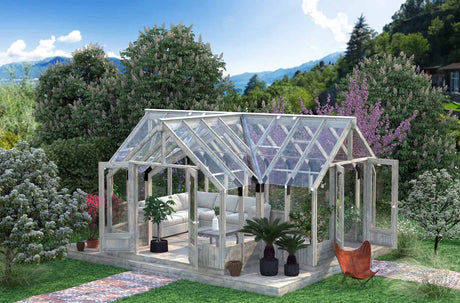
Greenhouse, hothouse, and glasshouse are all terms used to describe a structure with a metal or plastic frame and glass panels. These buildings are used to cultivate plants in every season - something that was not possible when planting was weather-dependent. [1] Today, greenhouses are built with polycarbonate plastic and polyethene. They range in size from small glass sheds to massive industrial structures.
Our nation has a long history of greenhouse splendour, with some of the largest greenhouses being built here in the 19th century. Exotic plants from countries all over the world were put on full display and soon became tourist attractions. With this long-history, it's no wonder then that we’re still interested in what we can grow in greenhouses.
With so many names for the same thing, it can be difficult to know what you need to buy. Here we explain the difference between a Garden room vs conservatory.
How does a greenhouse work?
The idea behind a greenhouse is pretty simple. The sun enters the greenhouse, heating it during the day. Because the warm air cannot escape, it retains the heat, providing a controlled environment. With the use of an irrigation system, greenhouse temperatures promote healthy growth cycles, and keep cold weather out that normally destroys plants (heavy rain, snow, and strong winds). Greenhouses are also ideal for extending the growing season of some crops.
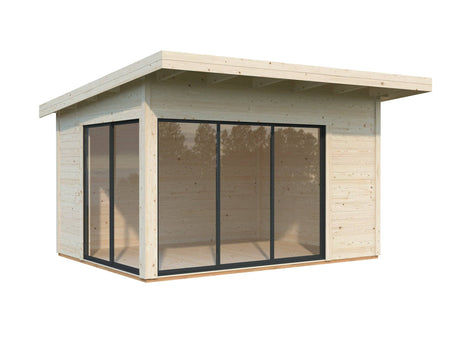
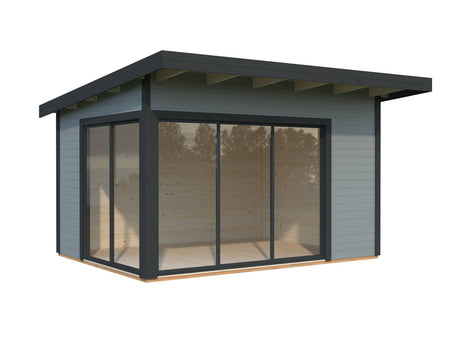
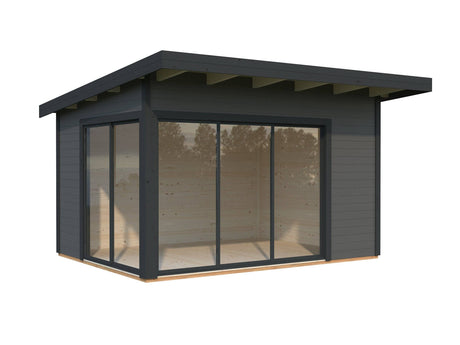
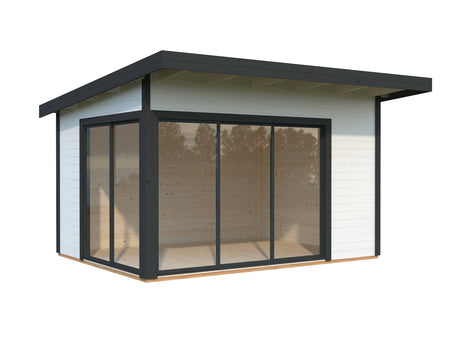
If you haven’t firmed up your decision about a greenhouse yet, you might like the Palmako greenhouse collection, showcasing both traditional and modern designs.
Seasonal greenhouse gardening

When you first start out, you might be left scratching your head a little about how to approach the whole greenhouse shindig. But don’t worry, we’ve compiled a seasonal guide to help you get into the swing of things.
Spring (March-May)
After a long, dreary winter, you’ll be full of the joys of spring, and this means you’ll be ready to tackle the green leafy veg and tender plants that hate the frost. Most beginner gardeners find that lettuce, spinach, rocket, and spring onions grow quickly since they are fast-growing, tender plants. If you’ve got your heart set on other things, peppers, cucumbers, tomatoes, strawberries, herbs, sweet peas, and petunias are all in the running for spring planting.
Think about creating greenhouse borders for in-ground planting. Use fresh potting soil for planting aubergines, cherry tomatoes, and chillies. They do well in places where their roots can sink down into the soil. Buy young plants from the local nursery, or use seed packets. If you’re going organic, heirloom seeds are the best choice for non-GMO produce.
Expert tip: If it's fruits, you can expect them to last into summer, but if it's green and leafy, expect to replace it. If you’re a real novice, try some forgiving plants like the monstera (Swiss cheese plant), snake plant (Sansevieria), and peace lily.
Don’t forget to pay attention to pest control and fungal diseases. The excitement of a new greenhouse and dreams of having everyone over to look at your plants can quickly die off when mildew, white rust, or mildew sets in. [2] Keep your plants healthy from early spring to summer by watering plants regularly, ensuring good air circulation, and monitoring cool temperatures.
Summer (June-August)

As late spring rolls into summer, you’ll see the fruits of your hard labour, and this can be a joy. Tasty tomatoes, peppers, and cucumbers will be ready for the summer salads, and if you planted herbs, they’ll be the perfect complement. Towards high summer, you’ll need to do heavy cropping of tomatoes and cucumbers; this will help prevent disease and allow the plant to take up the correct amount of nutrients.
The growing season will be in full swing, but you can still plant strawberries, melons and a variety of herbs. If you’ve depleted your lettuce and spinach, simply start again. In summer, a productive greenhouse will give you a steady supply of fresh fruit and veg, or delight you with flowering plants. Give orchids, jasmine, or hibiscus if you love beautiful summer scents.
Expert tips - temperature control and watering: Keep your greenhouse cooler on hot days with automatic roof vents. Plants need more frequent watering than outdoor crops in summer, so bear this in mind.
Unheated greenhouses work for summer, but as the cooler weather sets in for autumn, you’ll need to think about the heat-loving plants. Adapt greenhouse conditions if you’re retaining summer seasonal crops into the winter months.
Autumn (Sept -November)

Now is a good time to clean out greenhouse beds of old potting soil and prepare them for other plants. Think hardy vegetable plants like kale, mustard greens, broccoli, brussels sprouts, and carrots. These hardy plants will be able to withstand temperatures up to -7°C in the winter months. French beans, broad beans, violas, and tender perennials are the best plants for a novice greenhouse gardener to move out of the summer months with.
If you’re planting different crops so that you can eat ‘farm-to-table’, then root vegetables will serve you well in stews and soups in cold winter months. Root vegetables tend to be low maintenance compared with other types of veg.
Introduce colour with fruit bushes (blackberries, strawberries, gooseberries) that will also give you a nutrient boost as the months get colder. These can be planted in pots, and beginners will find they yield good crops this way. If you’re growing young plants for the next season, consider heating the greenhouse to make it a more suitable environment for keeping tender shoots.
Winter (December - February)

“Deck the halls with bells and holly…falala..falala’ Yes, we know that’s not how that goes, but winter time is the season for merriment, and that should be reflected in your greenhouse. With cold weather upon you, it doesn’t mean you have to give up on the greenhouse. Far from it. A heated greenhouse does just as well at growing plants, and keeps delighting you well into late winter.
As long as you regulate temperature, the vast majority of your crops will be just fine. Insulate with bubble wrap to protect against frost, and water sparingly in the morning. Harvest the autumn plants, and consider dotting around succulents to pretty up the greenhouse for the festive season. Violas, snapdragons, calendula, impatiens, lilies, dahlias, and pansies are also good choices.
Expert tip: When February comes around, start doing an annual clean-up of your greenhouse. Clear out old soil, fix up beds, clear out broken pots, clean up glass panes, and fix irrigation systems. This will ensure your greenhouse is in tip-top shape for spring, and since you’ll no longer be a beginner, you’ll have a much better grasp on what you want to plant.
Conclusion
A greenhouse opens up a whole new world for beginner gardeners, who are done with battling the UK weather. A good-quality greenhouse will give you control over the environment all year round and give you predictable results.
The key is to start small and to choose forgiving plants that won’t discourage you in the first season. In the enclosed environment of a greenhouse, it is much easier to control moisture levels, keep out the elements, and get a handle on pests and diseases. With persistence, it will pay off.
And if you haven't actually brought your greenhouse yet, then now is the time to take the first step. Palmako experts are ready to answer all your greenhouse questions and help you make a choice. Or you can browse through our greenhouse collection, and contact us when you’re ready.
FAQs: What to grow in a greenhouse
1. What are the best things for beginners to grow in a greenhouse?
If you’re just starting out with your greenhouse, go for easy-to-grow plants like herbs, green leafy veggies, and quick root vegetables like radishes. Tomatoes, peppers, and cucumbers never fail those getting used to growing plants in a greenhouse. If you prefer fruits, try strawberries, raspberries and even dragon fruit.
2. What is the easiest thing to grow in a greenhouse?
Heat-loving crops like tomato, lettuce, chillies, basil, peppers, and cucumbers are the easiest crops to grow in a greenhouse. These plants produce a harvest between 60-90 days, giving you a taste of what it's like to grow vegetables in a greenhouse - without a long wait. Just make sure you pay equal attention to temperature control, watering options, and soil conditions.
3. Can I grow vegetables in a greenhouse all year long?
Yes. A greenhouse is the ideal place for growing certain types of vegetables all throughout the year. If you plan carefully, you can rotate seasonal veggies, giving you a good supply of leafy greens, root veggies, herbs, and climbing veggies like sweet peas. Different varieties of tomato plants are easy to grow all year round.
4. What should you not put in a greenhouse?
A lot of the time, greenhouse growing is about smaller plants, so unless you have a very large greenhouse, steer clear of things like sunflowers, fast-growing creepers, and corn. These crops are better suited for the outdoors. Avoid using your greenhouse as a shed by storing garden tools and pesticides in it. Think of it as not only a greenhouse but an exhibition centre, and keep it looking beautiful inside and out.
5. What types of plants can be grown in a greenhouse?
A greenhouse is an ideal environment for growing certain fruits (hanging strawberries, blueberries, limes, small melons), vegetables (tomato, cucumber, peppers, herbs, small root veggies), and indoor plants (ferns, flowering plants, succulents, and tropical foliage). You can even grow fascinating carnivorous plants in your greenhouse, and these are very popular with children.
Sources: