

Saunas and cold plunges are both positioned as tools for health, wellness, and relaxation. While both techniques have earned their place in the health and wellness space, the benefits of sauna and cold plunge can often run deeper when you pair them together. The science behind this combination supports an approach that relies on both techniques to meet your body's needs and maximize the benefits. In this article, we take a look at the role saunas and cold plunges can play in your wellness journey.
Key Takeaway
- Alternating sauna heat with cold water immersion, known as contrast therapy, can deliver improved blood flow, faster muscle recovery, and a stronger mood boost than either practice alone.
- Each round is a short controlled dose of hormetic stress, helping build resilience in both body and mind over time.
What Is Contrast Therapy?
Contrast therapy involves pivoting quickly between hot and cold environments. These changes are executed in short succession through repeated rounds. It's typical for most people to use a sauna, then a cold plunge, before resting and repeating.
Traditionally, Finnish bathers have gone for cold swims or even spent time in the snow immediately following a session in the sauna to produce this contrast effect. You can achieve comparable results through ice baths and garden cold plunges.
Each half of the process is well documented for the benefits it produces. We've covered this in our guides to sauna benefits and the benefits of cold plunge. This article is centered entirely on pairing the benefits of opposite but complementary extreme temperatures.
Why Heat and Cold Work Better Together
Heat and cold naturally push your body in different directions. Blood vessels widen when you step into a sauna. This moves your blood naturally towards the skin. On the other hand, when you immerse yourself in cold water, your vessels narrow, sending blood back to your core.
Scientists refer to this change as hormetic stress, essentially a relatively minor prompt that produces a specific action on the part of your body. This reaction also prepares your body to react more efficiently the next time it's in similar circumstances.
When you're in heat for an extended period of time, it triggers the release of heat shock proteins. These exist to protect and repair your cells even when they are under strain. On the other hand, cold exposure activates your nervous system. This releases an alertness hormone.
Scientific research indicates that both reactions are important and beneficial when paired together.
Six Benefits of Combining Sauna and Cold Plunge
1. Improved Blood Flow and Circulation
The process of switching between hot and cold creates an effect known by some as a vascular pump. This is the vascular process referenced earlier, in which your veins expand and contract based on the temperature. When this process is repeated many times over, it helps to improve the quality of your blood circulation.
Improving circulation regularly in this way is an excellent method of supporting cardiovascular health.
2. Faster Recovery After Exercise
After an intense workout, your muscles are both inflamed and, in certain cases, slightly damaged. Both effects are normal, but they require adequate coping strategies to ensure longevity and reduce the risk of injury.
Athletes have consequently long used contrast therapy as a method, as a way to improve recovery. A 2013 meta-analysis in PLOS One acquired data from 13 studies. All of them focused on the effects of alternating cold and warm temperatures to assist with muscle repair.
The results were conclusive. Greater instances of improvement from muscle soreness were experienced, even up to 96 hours after exercise had finished.
3. A Bigger Mood and Energy Lift
Clear-headedness and an upbeat frame of mind are common consequences of a final cold plunge, particularly after having paired that plunge with time in a sauna. A study published by the European Journal of Applied Physiology found that an hour in 14-degree Celsius water raised plasma noradrenaline by 530% and dopamine by 250%.
Naturally, most people don't think in terms of their noradrenaline numbers, but both are linked to feelings of alertness, focus, and motivation. Sauna increases these feelings further by releasing endorphins. Plunges typically take place over a much shorter time frame, generally only a matter of minutes. As a result, the impact is typically smaller, but in many cases noticeable. It's common for an energy boost, a mood boost, and sharper mental clarity to follow.
4. Physical and Mental Resilience
Contrast therapy does put your body through a sense of stress. Both heat and cold are physical stressors, and when combined in short succession, the effect can be surprisingly dramatic.
Heat will often test your patience. Cold, meanwhile, will test your calm. As you practice the switch, you're also training your nervous system to shuffle seamlessly through feelings of alertness and relaxation. The combination has been shown to help people manage stress better in everyday life circumstances.
5. Deeper Relaxation and Sleep
It's often only towards the final stage of each session that a person is fully immersed in the enjoyability of the exercise. As your body rewarms following the cold plunge, your heart rate will settle, allowing for a feeling of deep relaxation to take over.
It's perhaps for this reason that evening sessions are so popular. They help people wind down and transition quicker into sleep. It is worth noting that formal research on this impact is still largely pending. The majority of results are based off personal testimony rather than observable data points. Still, it's a consistent enough report to warrant attention.
6. Immune and Metabolic Support
A randomized Dutch trial that included 3,018 adults tested these findings on a simpler scale. The experiment involved participants taking a hot shower followed by 30 seconds of cold water. Participants experienced approximately 30% less sickness and absence from work than people in the control group.
Studies have also found that people who pair cold swims with sauna sessions burn more calories, suggesting that this approach can even play a supporting role in a larger weight management strategy. Naturally, diet and exercise are still primary drivers for metabolic health.
Regardless, all of these findings, particularly when taken in combination, hint at significant health benefits for the immune system and the metabolism. Cold therapy still should be seen as an enhancement for existing health strategies rather than a method of replacing things like a good diet and a strong exercise routine.
How to Combine a Sauna and Cold Plunge

Understand that the process to get started does not need to be complicated. Here's a straightforward routine that can make a considerable difference.
-
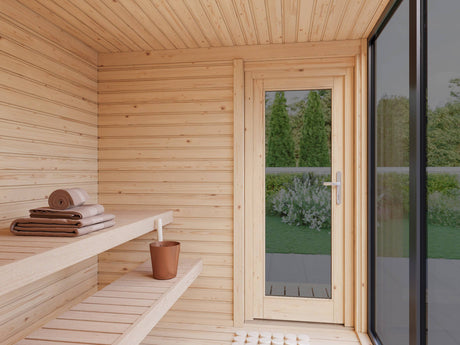
Start with a warm-up session in the sauna lasting for around 15 minutes. Our guide to sauna temperature will help you identify a temperature that is ideal for your needs.
-
Step into cold water at around 10 to 15 degrees Celsius. Expect to spend approximately three minutes in the cold water, during which time you should focus primarily on breathing slowly.
-
Rest for a few minutes and hydrate as needed.
-
Repeat for two to four more rounds.
It's common for people to end their session with a final cold plunge and then allow the body to rewarm naturally. If you have limited time, note that doing this routine even once a week is worthwhile. Infrared saunas can work too, although the impact may be reduced.
Who Should Take Care?
It's important to understand that contrast therapy can place a significant demand on your cardiovascular system. While it should be safe for most healthy people, it's always a good idea to talk to your general practitioner first, particularly if you have a history of heart disease for yourself or members of your family.
It's also important to avoid alcohol prior to sessions. Finally, don't be afraid to start gradually, both in terms of exposure timelines and temperatures. There's no shame at all in working your way up to a routine that makes sense for your goals and physical comfort level.
Bringing Contrast Therapy Home
You can accomplish much of what we've described through spa membership programs. The issue, of course, is that the tab can add up quickly. It's become increasingly common, consequently, for people to look for ways to bring contrast therapy into their home garden.
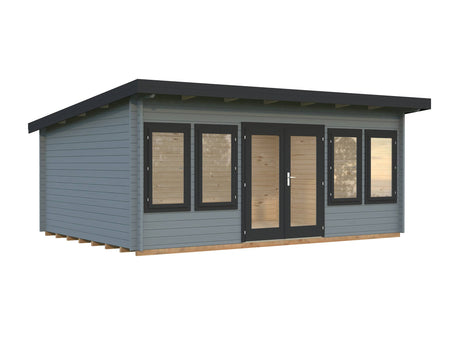
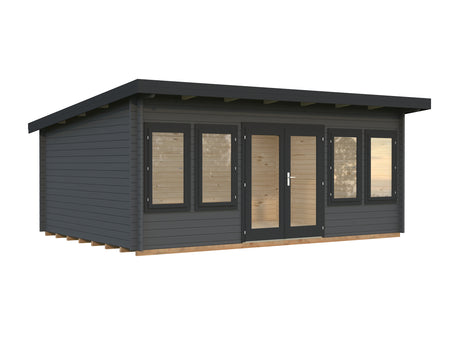
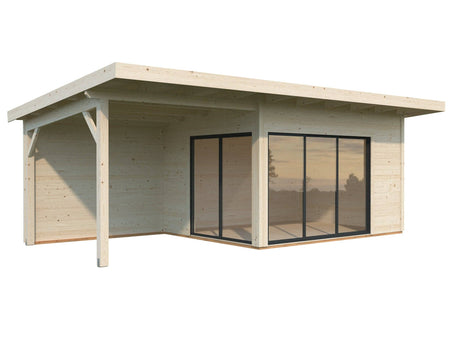
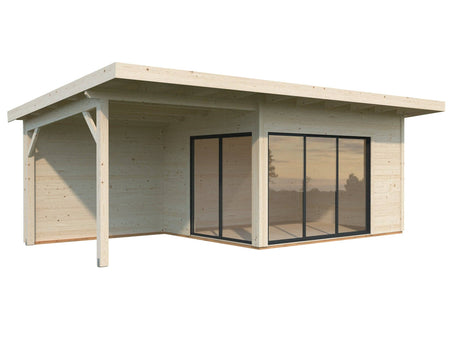
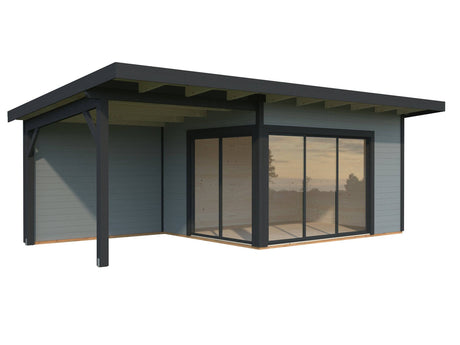
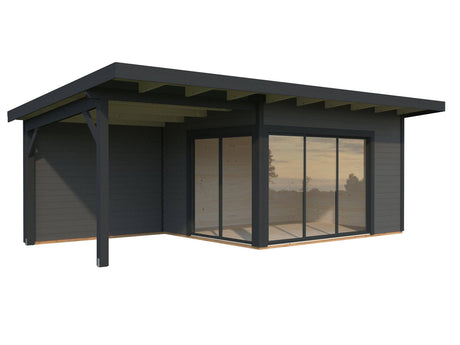
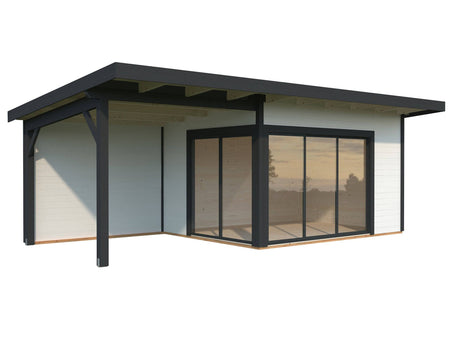
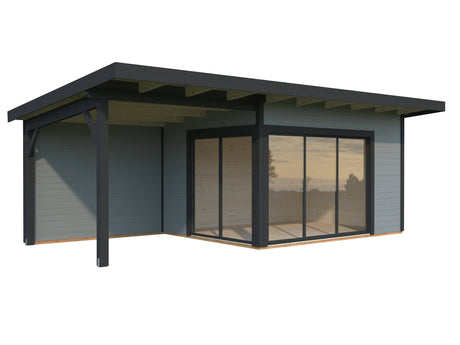
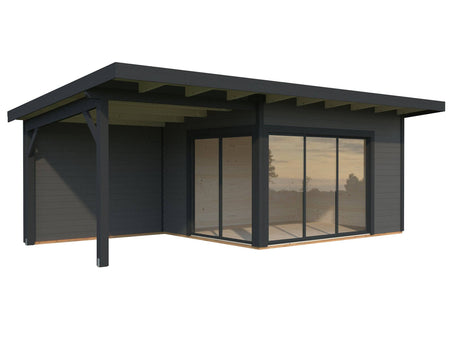
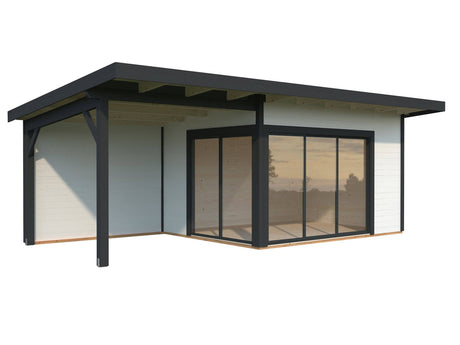
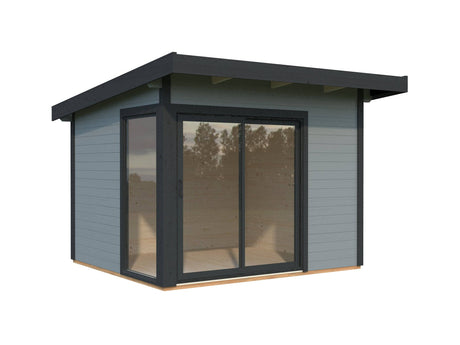
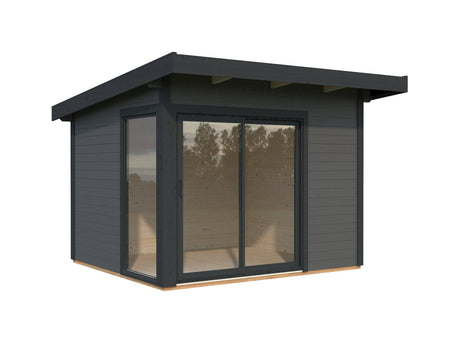
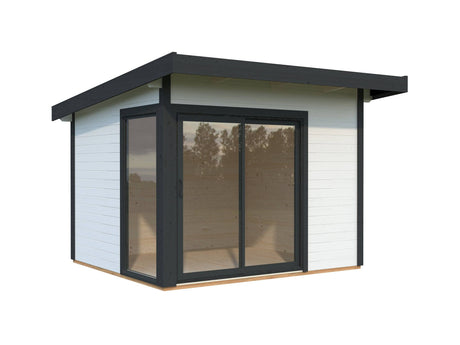
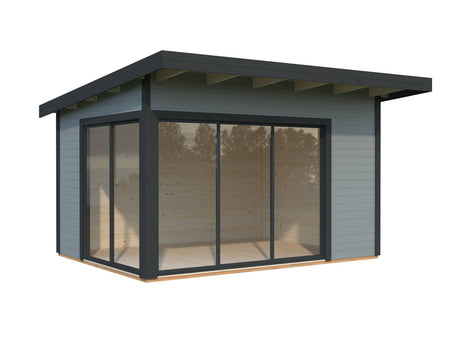
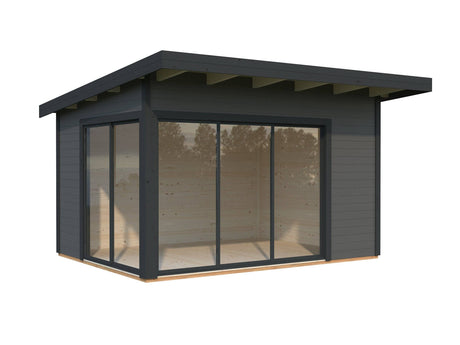
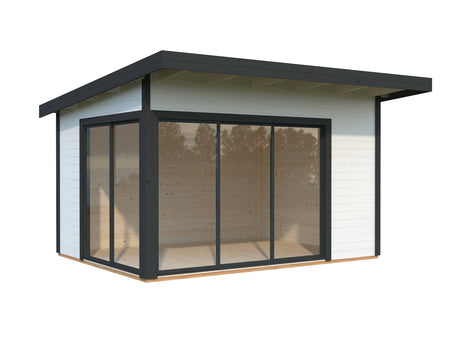
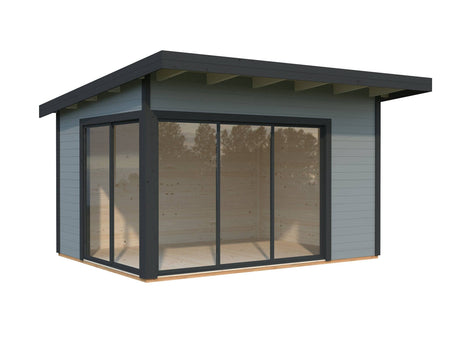
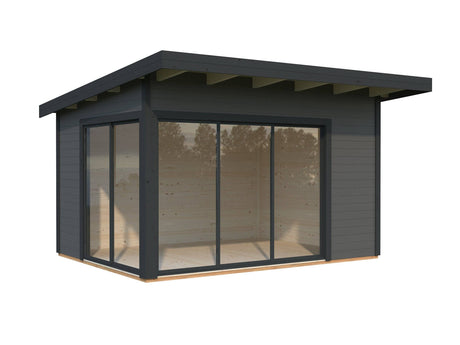
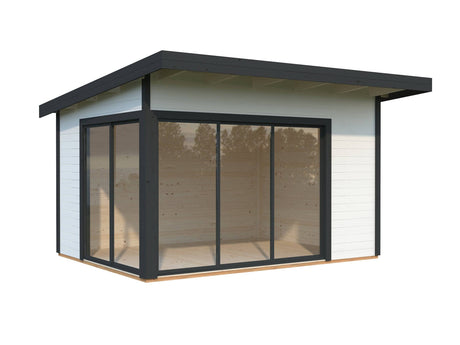
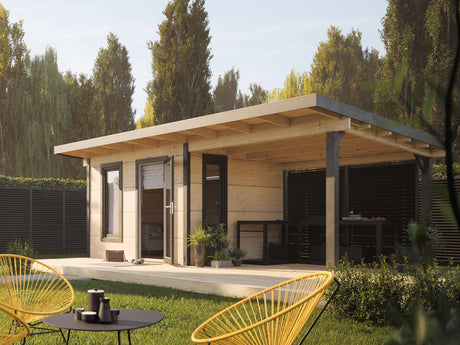
A Palmako outdoor sauna paired with a wooden cold plunge tub put two powerful wellness tools just steps from your door. Barrel saunas are ideal for people who are a little short on space, while more sizable cabin-style units are good for families. For layout inspiration, feel free to browse our outdoor sauna ideas.
Conclusion
Saunas and cold plunges are both independently valuable tools. Combined, they help produce a routine that both challenges the body and sharpens the mind. The end result is a restorative experience that can produce many different kinds of health benefits.
The benefits of sauna and cold plunge include everything from improved blood flow and faster recovery to stronger stress resilience. It's a genuinely worthwhile experience that can be a sincere pleasure to incorporate into your existing routine.
Start your contrast therapy routine at home
Ready to enjoy hot and cold therapy without leaving home? Explore our range of outdoor saunas and cold plunge tubs, crafted from quality Nordic timber with free mainland UK delivery. Planning ahead? Our guide to how much a sauna costs to run will help you budget.
FAQs: Benefits of sauna and cold plunge
1. Should you do sauna or cold plunge first?
Most people start with the sauna and follow it with the cold plunge. Warming up first makes the cold easier to tolerate and creates a stronger contrast. Many then finish their final round on cold and let the body rewarm naturally.
2. How many rounds of sauna and cold plunge should you do?
Two to four rounds is a good target for most people. Each round usually includes 10 to 15 minutes of heat, one to three minutes of cold and a short rest. Beginners can start with one round and build up gradually.
3. Is it safe to use a sauna and cold plunge every day?
Daily sessions are generally safe for healthy adults who stay hydrated and listen to their body. That said, two to four sessions a week is enough to feel the benefits. Anyone with a heart condition, blood pressure concerns or a pregnancy should check with their GP first.
4. Is sauna or cold plunge better after a workout?
A cold plunge is usually better for reducing soreness after intense exercise, while a sauna is better for relaxing tight muscles. Contrast therapy combines both, and research shows it eases muscle soreness more effectively than passive rest.