

Sauna bathing is widely recognized for its physical and mental health benefits. But if you’re just starting out or getting more into it, you might be wondering whether different sauna temperatures affect the benefits.
The answer is that they do. Not only the temperature, but also the humidity level and the type of sauna affect the entire experience. In this guide, we cover how it works and suggest optimal temperatures for different saunas.
Quick Overview
The optimal temperature range for a dry sauna is 70-90°C. This includes a traditional Finnish sauna and a wood-burning or electrical sauna without steam. Wet saunas, such as steam rooms, Turkish baths or Russian banyas, are operated at 40-65°C. Infrared saunas are comfortable at a range of 49-65°C.
Why sauna temperatures matter for results and comfort
Sauna temperature ranges impact the experience and health effects. High temperatures (70-110 °C) trigger profuse sweating and increased heart rate. These high temperatures are used in traditional saunas such as the Finnish sauna.
The humidity in dry saunas is low, and even at high temperatures, it remains manageable for longer periods. When used regularly, dry saunas improve circulation and cardiovascular health and help regulate blood pressure.
Wet saunas such as steam saunas, Turkish baths and hammams operate at lower temperatures (up to 90 °C) and promote detoxification, relaxation, reduced stress levels and skin health.
Wet saunas have nearly 100% humidity. This makes the sauna feel much hotter than it actually is. For some people, the combination of heat and steam can be uncomfortable.
Temperature ranges for different types of saunas
The sauna type determines the heat level you experience while saunas. Some only create dry heat, while others combine wet and dry heat. This interplay between temperature and humidity affects the heat perception.
1. Finnish sauna

Finnish saunas operate at temperatures of 70-90°C, but can go up to 110°C. This extreme heat can be overwhelming for beginners, but regular users prefer to sauna at the higher end of the range. A Finnish sauna generates dry heat but has low humidity (10-20%). Lower humidity in dry saunas allows for greater tolerance to raw heat. This allows for longer sessions in high heat.
2. Electric sauna
Electric saunas reach maximum temperatures of 80- 90°C. They use a sauna heater with heating elements to warm the air in the sauna room. Controls allow you to set the sauna to your desired temperature. This ability to control the temperature makes it a popular choice for a home outdoor sauna.
The relative humidity in an electric sauna is low (5-15%), allowing for better heat tolerance and longer sessions. Some electric saunas come with sauna stones, allowing you to pour water over them to create steam. For a hybrid sauna experience, where you can choose the level of heat and humidity, an electric sauna is a top choice.
3. Wood-burning with hot stones
The best sauna temperature for a wood-burning stove with hot stones is 65-85°C, but it can reach 100°C. By pouring water over the stones, you can achieve a higher humidity than in a Finnish or electric sauna (30%), but it will be temporary. This allows bathers to control the actual temperature according to their personal comfort.
Like the Finnish and electric sauna, a wood-burning sauna generates enough heat to create positive physiological changes in the body. These changes are comparable to light exercise and have a positive effect on the cardiovascular system by relaxing blood vessels.
4. Infrared sauna
Infrared saunas operate at lower temperatures, usually 49 - 65°C. The humidity in an infrared sauna is almost zero, and combined with the low temperatures, it is ideal for longer sessions. This makes it suitable for bathers who find a traditional sauna too hot, as well as for heat-sensitive individuals.
The infrared light panels warm the body directly rather than warming the air in the cabin. This has relaxing effects on the body and is excellent for muscle recovery. People with painful joint conditions also benefit from infrared saunas.
5. Steam and Turkish baths

Steam saunas can reach temperatures of 40°C to 50°C with high humidity (100%). The humidity makes the environment feel hotter than it is. This creates a comfortable experience and is safe for beginners and people who don’t enjoy the dry sauna environment. The best temperature for a steam sauna is between 40-60°C.
Turkish baths have been around for centuries and have traditionally been a public sauna. They are kept at an average temperature of 50°C, which is considered comfortable for most people. This unique bathing experience blends sauna with intense physical cleansing and stunning architecture. This creates a multi-sensory experience that you either hate or love, but never feel neutral about!
6. Russian banya
Typical temperatures for a Russian banya are 60-80°C with high humidity (up to 70%). Such high temperatures and increased humidity create intense, penetrating heat that can overwhelm some users. The right temperature for beginners is around 50°C.
Sessions in a Russian banya are usually broken up by cooling off in a cold plunge tub. This provides bathers with the benefits of both heat and cold plunge therapy.
Safety limits: How hot is too hot, and who should avoid high heat?
Finding the right sauna temperature for your body is important, as it can pose health risks if you are heat-sensitive or have conditions that can be negatively affected by the sauna.
While long-time users of Finnish saunas can tolerate temperatures up to 100°C, this is not comfortable for everyone. On average, most people tolerate temperatures between 40-70°C well. The comfort of sauna temperatures above 70°C can be subjective and depend on humidity levels and personal tolerance.
While research shows that saunas can have a positive effect on blood pressure, extreme temperatures, dehydration and rapid temperature changes can cause a sudden drop in blood pressure, making people dizzy and nauseated. A best practice for all bathers is to stay hydrated before, during, and after sauna use.
The extreme heat of a sauna places the body under temporary strain and therefore isn’t recommended for people with unstable heart disease, recent heart attack, active infections with fever, severe or uncontrolled respiratory conditions. Pregnant women should seek advice from their healthcare practitioner before using the sauna.
Conclusion
Rather than focusing on one ‘perfect’ sauna temperature, it is more useful to consider the relationship between heat, humidity, personal preference and sauna type. Trying different sauna types will help you discover the combination of heat and humidity that suits you best. Each one creates a unique experience as shown below:
| Temperature and humidity | Type of sauna |
|---|---|
| Higher temperatures, dry heat | Traditional Finnish, electric or wood-burning sauna |
| Higher temperatures, moist heat | Finnish, electric or wood-burning sauna, with sauna stones, steam sauna, Turkish bath, Russian banya |
| Lower temperatures, dry heat | Infrared sauna |
| Lower temperatures, moist heat | Steam sauna |
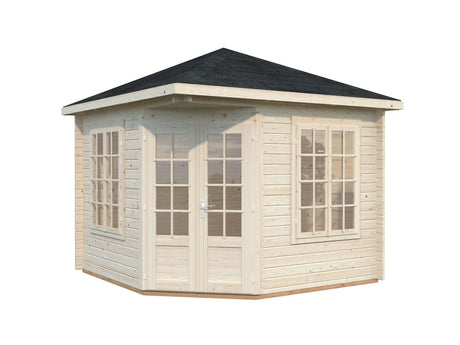
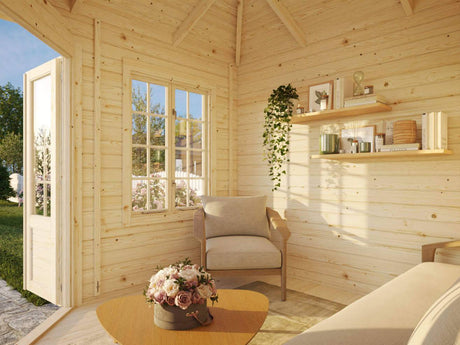
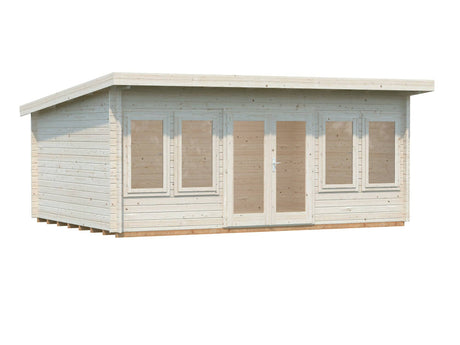
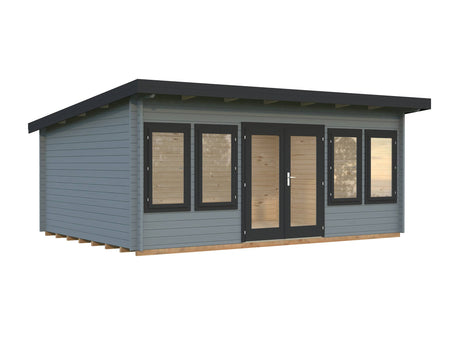
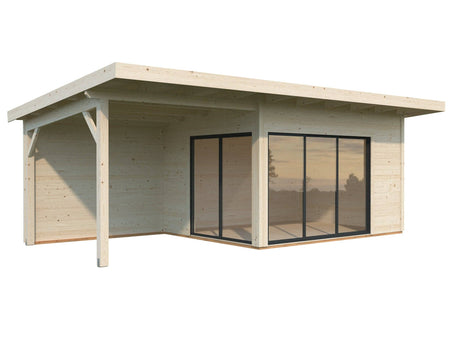
Once you've found your ideal sauna experience, you can enjoy it whenever you like with a premium outdoor sauna from Palmako.
FAQs: Sauna Temperatures
1. What is the ideal temperature for most saunas?
An ideal sauna temperature depends on personal preference. The 73-85°C range is well tolerated by most people and beneficial for health. Temperature and humidity levels affect the perception of heat. Dry air speeds up the evaporation of your sweat, making 90°C more tolerable for longer. A steam room with high humidity prevents sweat from evaporating, making you feel hotter at only 70°C.
2. How hot should a sauna be to reduce stress and help with muscle recovery?
For stress relief and muscle recovery, the perfect sauna temperature is around 80°C to 90°C. This creates an enjoyable sauna experience and promotes relaxation. An infrared sauna is a good option for stress relief and muscle recovery if you prefer lower temperatures (40°C to 60°C). One study into dry sauna bathing found that both Finnish and infrared saunas are beneficial for stress-related conditions (chronic fatigue syndrome) and muscle recovery (athletic performance).
3. How do I know when the sauna temperature is too hot for me?
People respond differently to heat and physiological changes from the sauna, so whether it is too hot can be subjective. As a rule, sauna temperatures should not exceed 90°C, especially for beginners. Core body temperature can rise by 0.9°C during a typical sauna session, triggering changes like increased heart rate and sweating. This is normal, but you should exit a sauna immediately if you feel dizzy, nauseous or anxious.
4. How long should a sauna last at high temperatures?
For regular users, sauna sessions should last 10 to 20 minutes, and beginners should start with 5-10 minute sessions. This applies to traditional saunas that operate at temperatures of 70-90°C. Saunas lasting more than 20 minutes at high temperatures do not provide any further health benefits.
Sources:
1. https://pmc.ncbi.nlm.nih.gov/articles/PMC10989710/
Reviewed by the Palmako UK content team with insights from our garden building experts.