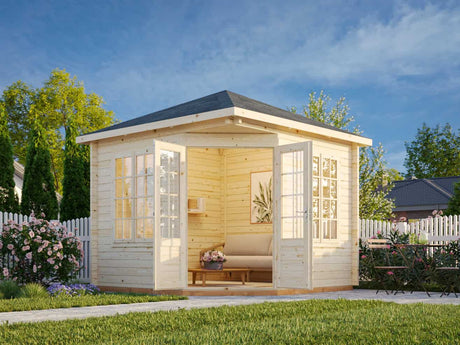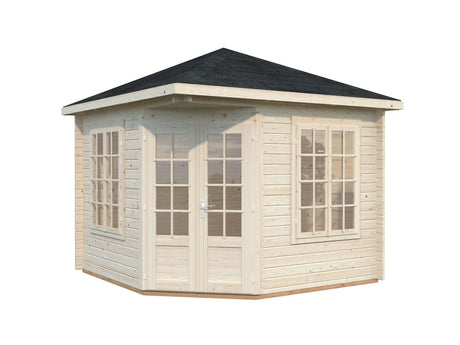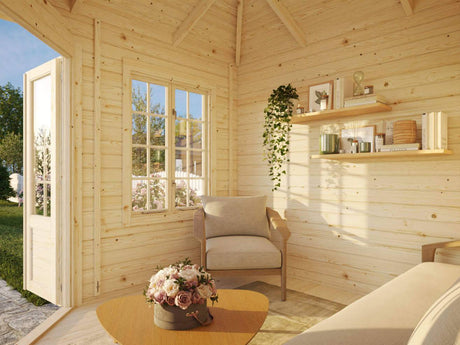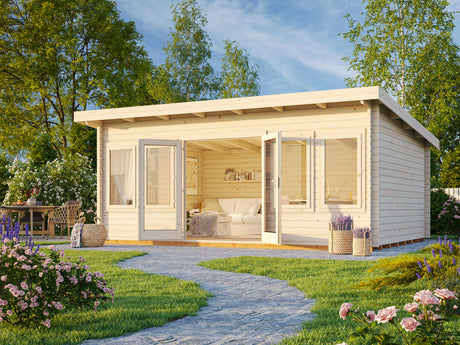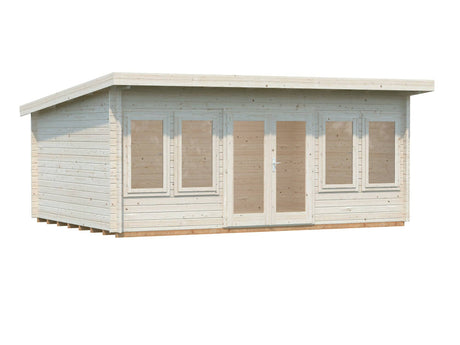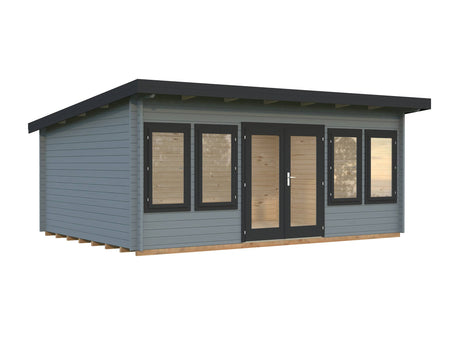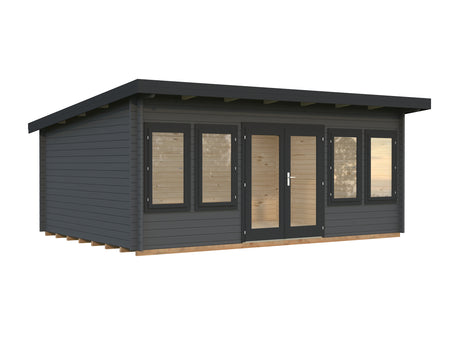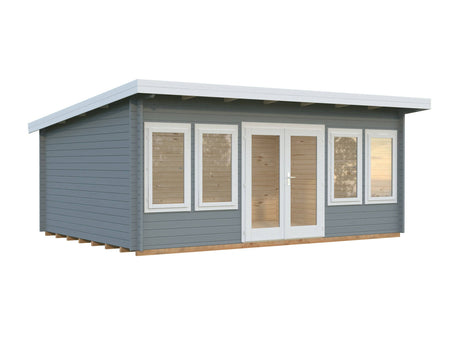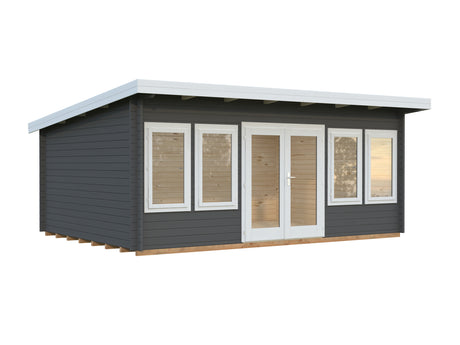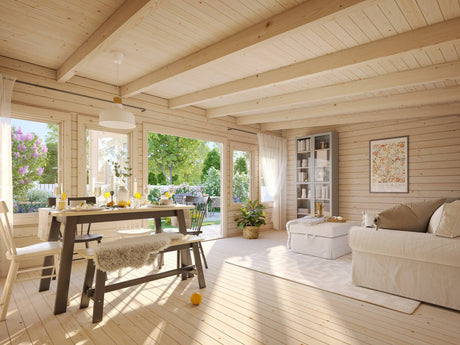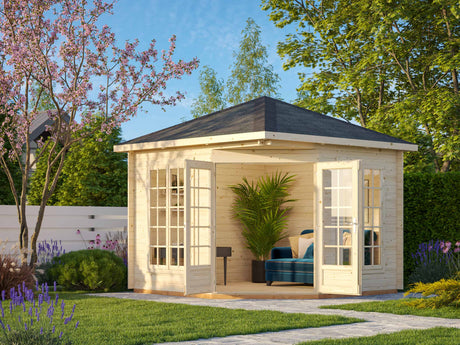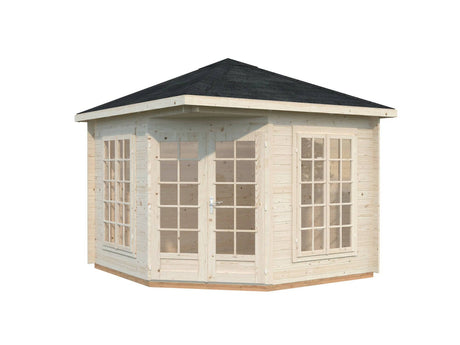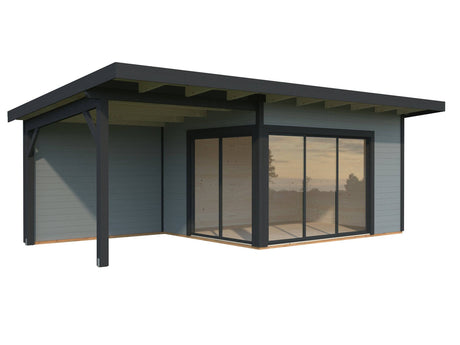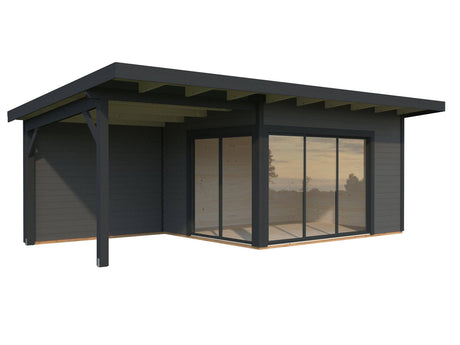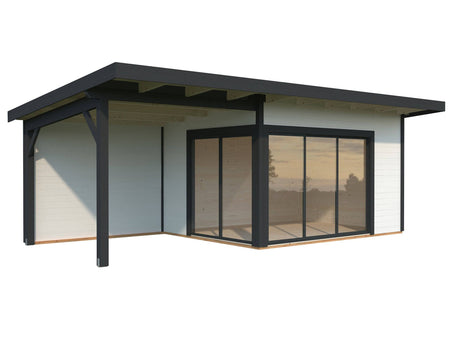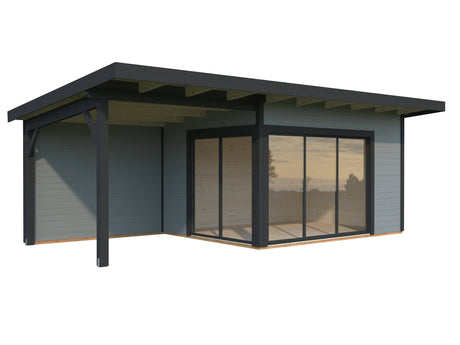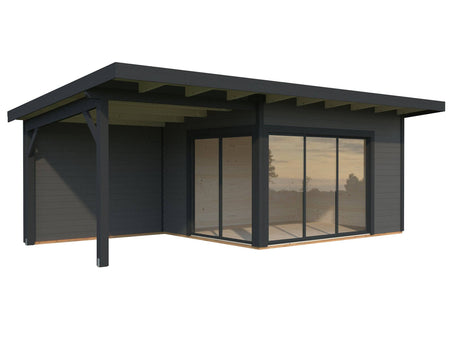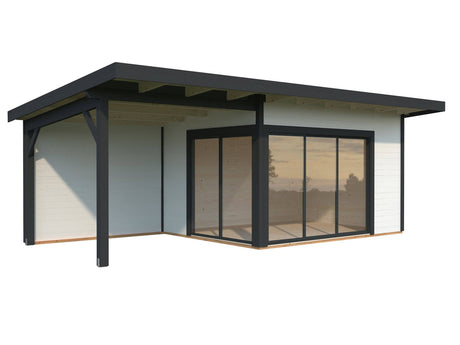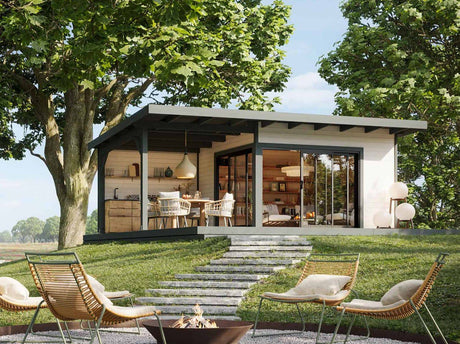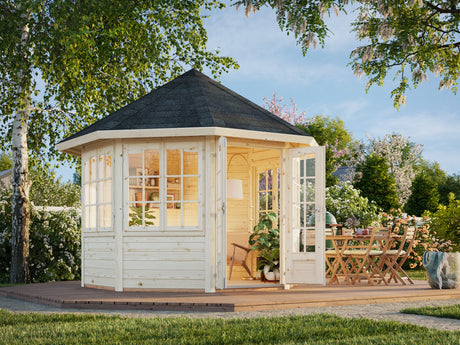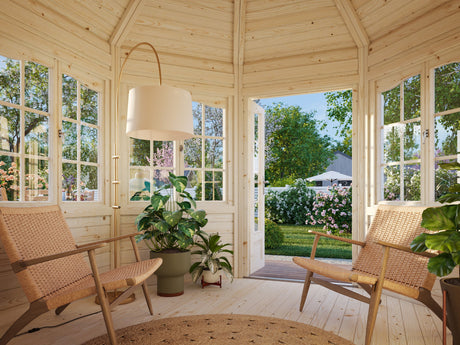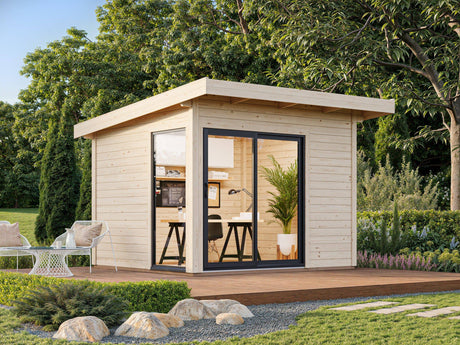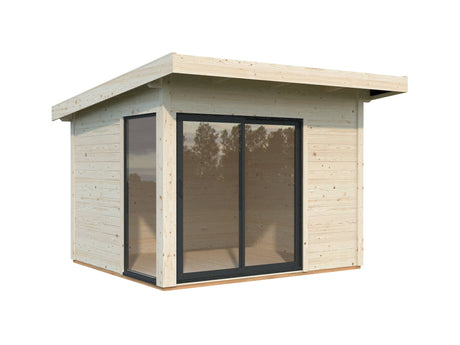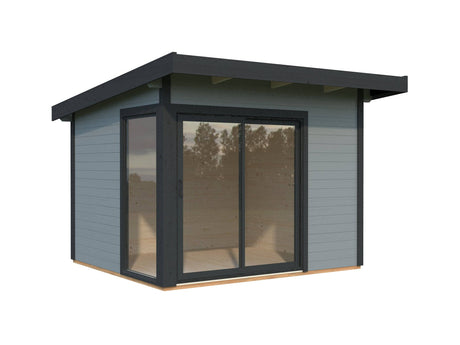


Few outdoor structures convey style and elegance like a gazebo or a pergola. Not only do they beautify your garden, but they also provide a practical space for entertainment, leisure and dining.
Gazebos and pergolas are often confused with one another, but in reality, they are distinct structures that serve different purposes. Finding the right match for your garden requires a deeper look at these eye-catching structures. In this guide, we show you the clear differences and how to choose the best one for your garden.
Quick Overview
The main differences between a gazebo and a pergola include their purpose, shape, roof coverage, sides, and cost. Gazebos offer a freestanding structure for outdoor entertainment with full roof coverage. Pergolas are a striking focal point for patios, open lawns and terraces, when paired with climbing plants or side curtains. Both options offer additional shade, but do so in different ways.
Table of Contents
- Key differences: Gazebo vs pergola
- What is a gazebo?
- Benefits of a gazebo
- Gazebo types
- What is a pergola?
- Benefits of a pergola
- Pergola types
- How to choose between a gazebo and a pergola
- Pergola vs Gazebo: Which one is the right choice for you?
- FAQs: Gazebo vs Pergola
Key differences: Gazebo vs pergola
| Gazebo | Pergola | |
|---|---|---|
| Best suited for | An open-lawn centrepiece, outdoor dining, entertainment area, or a permanent poolside cabin. | Patios and terraces, open lawns, pathways and a garden focal point. |
| Average UK Cost | £7,000 [1] | £2,500 [2] |
| Lifespan | Up to 30 years | Between 10 and 30 years |
| Roof Type | Solid, full coverage | Open, slated or louvred |
| Shape | Hexagonal, octagonal, rectangular | Rectangular, square or triangular shaped |
| Sides | Partially open with railings | Fully open |
What is a gazebo?

If you’re looking for a functional outdoor space that provides shade and adds elegance to your garden setting, a gazebo is a great solution.
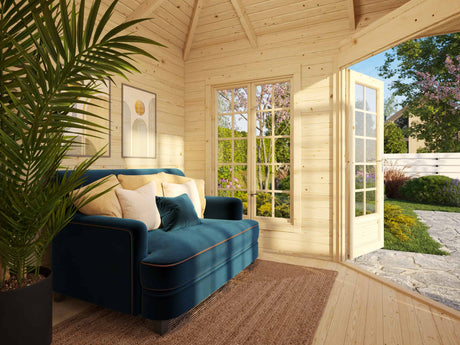
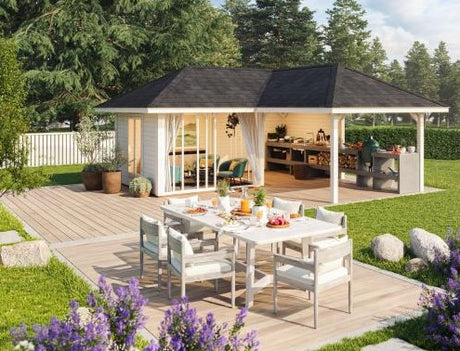
A gazebo is a freestanding structure with a solid roof canopy. This solid roof offers complete coverage from the sun and rain. The gazebo can include walls for privacy, but is more often built with side railings or drop sides. Curtains can be used in the gazebo to create a private space for entertainment and dining. Gazebos create a defined outdoor room feel in the garden and are usually not temporary.
Benefits of a gazebo
A gazebo is an excellent choice for hosting outdoor events and gatherings. They are long-lasting, beautiful structures that provide a private, cosy space year-round.
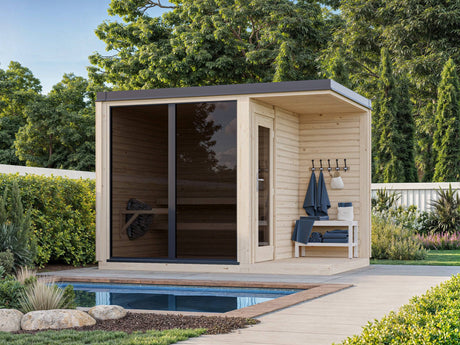
Gazebos can be used as entertainment areas, dining spaces and outdoor retreats. They can also enclose hot tubs. Gazebos can include built-in seating and be decorated with outdoor furniture, soft furnishings, and low-cost lighting to enhance their aesthetic appeal.
A gazebo is considered a permanent structure with a lifespan of 30+ years, depending on the materials used for its construction and regular maintenance. A high-quality gazebo (built from premium-grade construction timber) can increase your property's value from a buyer's perspective. Buyers view a gazebo as an additional living space with high functional value.
Gazebo types
Gazebos provide a long-lasting entertainment space that complements a wide range of garden styles. The type of gazebo you select will likely be based on personal preference rather than design constraints.
| Gazebo Type | Description | Material |
|---|---|---|
| Classic Permanent Gazebos | ||
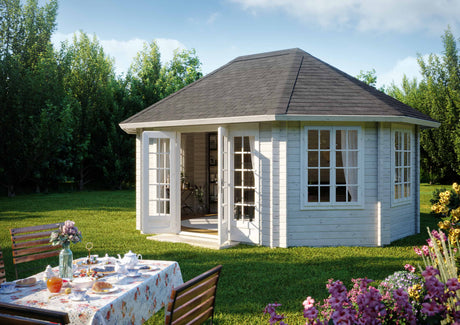
| Hexagonal | Six-sided wooden structure for medium-sized gardens. | Timber |
| Octagonal | Eight-sided wooden structure for larger gardens. | Timber |
| Rectangular | Classic minimal design for outdoor dining areas or lounges. | Timber |
| Contemporary Permanent Gazebos | ||
| Aluminium | Sleek modern structures with motorized louvre roof systems for adjusting shade. | Aluminium |
| Bioclimatic | High-tech shelters with integrated weather sensors. | Aluminium and stainless steel |
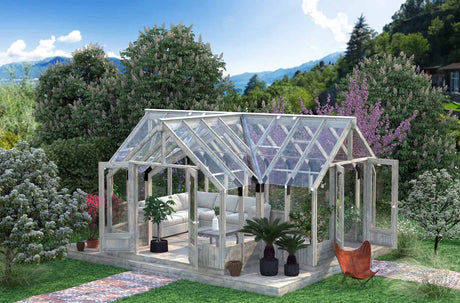
| Glass-enclosed | Minimalist modern structure with glass panels. | Metal and glass |
| Fabric and metal | Metal frame with high-performance acrylic fabrics. | Aluminium and acrylic fabric. |
What is a pergola?

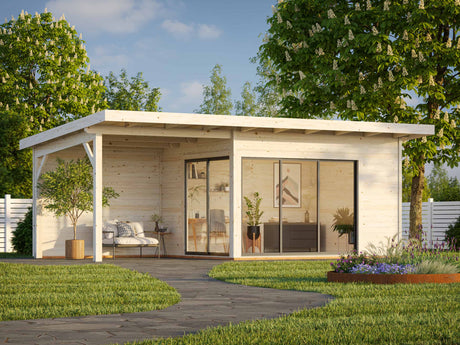
A pergola is an outdoor structure designed to create a focal point in the garden and provide the framework for hanging plants, lights and curtains.
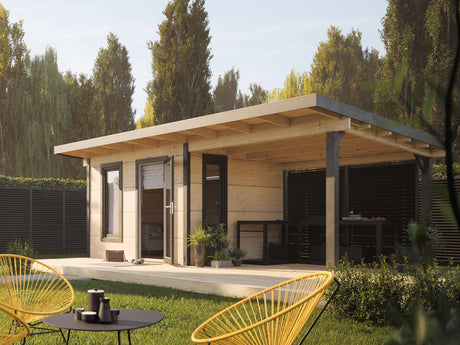
Traditional pergolas are wooden structures that cover open lawns, walkways or courtyards. They can be attached to a house or freestanding. They feature vertical posts with a slatted or lattice roof design. They are often open on the sides to allow for airflow. Pergolas are not designed to protect from the rain or provide full shelter, but covering the open roof with plants, bamboo panels, or sails can provide additional shade.
Benefits of a pergola
Pergolas provide the framework for extending outdoor spaces, such as open lawns and walkways, into more functional areas. They can provide partial shade from direct sunlight in places where there is no cover, but they do not protect you from rain or strong winds.
When paired with climbing plants, shade cloth, LED lights, and retractable canopies, a gazebo creates an airy, stylish entertainment space. These spaces can be used for dining and leisure activities, like a garden party, in warmer months.
Pergolas enhance your garden's aesthetic appeal year-round. When thoughtfully designed with hanging plants, a pergola's appearance evolves with the seasons, almost as if it takes on a life of its own.
Pergola types
Pergolas built from long-lasting materials enhance the perceived value of your property due to their aesthetic appeal. The type of pergola you choose should complement the size of your garden and its intended purpose.
| Pergola Type | Description | Material |
|---|---|---|
| Classic Permanent Pergolas | ||
| Freestanding | Stand-alone structures ideal for creating a focal point. | Timber, metal |
| Wall-mounted (lean-to) | Fixed directly to the main house with support posts. | Timber, metal |
| Open roof | Slatted or latticed roof. | Timber, metal |
| Contemporary Permanent Pergolas | ||
| Louvred | Freestanding or wall-mounted, featuring adjustable metal slats. | Metal |
| Retractable fabric | Wood or metal frame with waterproof fabric side panels. | Wood, metal, canvas |
How to choose between a gazebo and a pergola

There are several important factors to consider when choosing between a pergola and a gazebo. Taking the time to study these factors will help you make a well-informed decision.
Roof and walls
Gazebos have permanent roofs that provide shade and protection from rain. However, they do not have full solid walls and are usually built with railings. The gazebo is therefore designed as a semi-open structure and will not protect your garden furniture from heavy rain or strong winds.
A pergola has vertical posts and a slatted roof. It provides the framework for plants or fabric that can provide partial shade. The sides are completely open unless you use canvas or other heavy-duty fabric to cover them.
Durability and maintenance
Both gazebos and pergolas are relatively low-maintenance structures. Timber structures may require occasional repainting and the replacement of broken elements. Rust-proof metals need very little upkeep, while fabrics will need to be replaced when they become torn or worn out by sun exposure. With the proper maintenance, both gazebos and pergolas can last 30+ years.
Weather Conditions
Gazebos are well-suited to areas that have full sunlight and exposure to outdoor elements. The permanent roof provides full coverage and a versatile option for most of the year. In the warmer months, they extend outdoor living, and in winter, they can be used when the weather permits.
Pergolas do not offer the same protection as gazebos. They will not be suitable protection from heat, rain, snow and wind. However, pergolas can still be used in colder regions for their aesthetic appeal.
Costs
Gazebos traditionally have higher construction costs than pergolas because they require more materials and have a permanent roof. A gazebo can cost between £1,000 and £7,000 depending on the type, size and materials used. Gazebo self-assembly kits are available from £2,500. Temporary or pop-up gazebos are also available, priced between £50 and £400.
Pergolas are more budget-friendly than gazebos and easier to build. The average pergola costs between £1,000 and £3,000. Basic wooden pergolas can be built for as little as £100-£500, using pressure-treated pine or spruce.
Property value
Both gazebos and pergolas enhance a property’s value from a buyer's perspective. They not only enhance the visual appeal of your outdoor area but also provide privacy when relaxing or entertaining family and friends. Well-maintained gazebos or pergolas give prospective buyers an idea of the property’s full potential.
Pergola vs Gazebo: Which one is the right choice for you?
Deciding between a pergola and a gazebo ultimately comes down to what you want most, as both are excellent choices.
-
If you want a standalone focal point for your garden with a permanent roof, and you’ll use it for a dining area or outdoor lounge, choose a gazebo.
- If you want a framework for hanging plants, lights, and fabric that will cover walkways, open lawns, or courtyards and extend the use of your outdoor space, choose a pergola.
High-quality materials and a versatile design are important for outdoor structures. View Palmako’s premium gazebos and pavilions to find a unique match for your garden.
FAQs: Gazebo vs pergola
1. What is the difference between a gazebo and a pergola?
Pergolas and gazebos differ in shape, size and materials. Gazebos are larger and more defined in shape with permanent roofs. They are used to entertain guests and as a versatile extension of your garden space. They can be rectangular, hexagonal or octagonal in shape and made from timber or metal. Pergolas can be any size and are used to cover walkways and open lawns. They are made from timber or metal, and sometimes fabric is used to close the sides. They are open structures that offer partial shade. Hanging plants are often used to cover the roof slats for better coverage.
2. Do I need permission for a gazebo or a pergola in the UK?
Gazebos and pergolas fall under permitted development rights, so you do not need planning permission. However, there may be restrictions in certain areas, like conservation areas, that require you to obtain permission from the local council. The structures must be under 2.5m in most cases.
3. What should I do to maintain my pergola in winter?
Maintenance on your pergola should begin just before winter, by clearing away dead debris from the framework and washing it down with a mild soap. Check the frame for damage and loose screws, bolts, and joints. Inspect the area where the posts meet the ground to ensure they are firmly secured. If the pergola is made of timber and has environmental wear and tear, you may want to protect it with a weatherproof sealant.
4. Is it better to build or buy a gazebo?
Whether it's better to build or buy a gazebo depends on your budget, DIY skills and the type of gazebo you want. If you have the time, skills and inspiration, you can build a uniquely designed gazebo that matches your tastes. If you don’t want to build your own, there are excellent self-assembly kits that require only a moderate skill level and include assembly instructions. Another option is to ask the supplier whether they offer installation services.
Sources:
1. Cost To Build A Gazebo in 2026
2. How Much Does A Pergola Cost in 2026?
Reviewed by the Palmako UK content team with insights from our garden building experts.