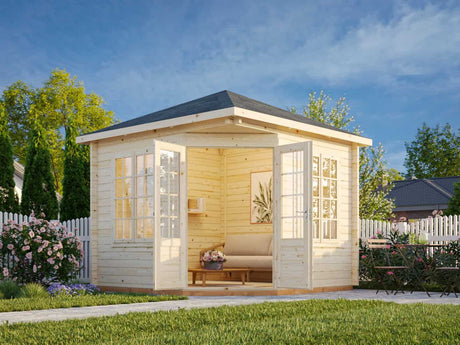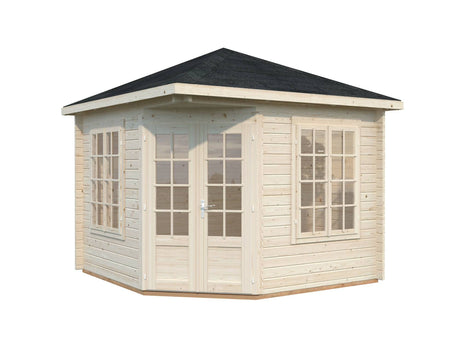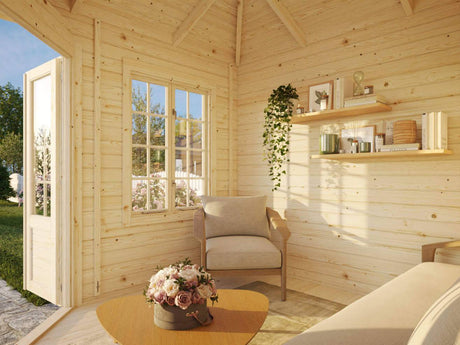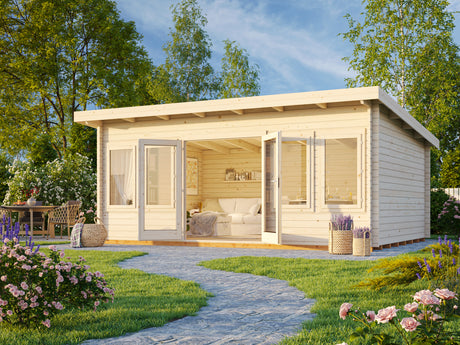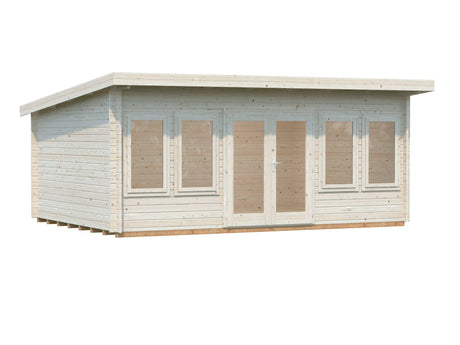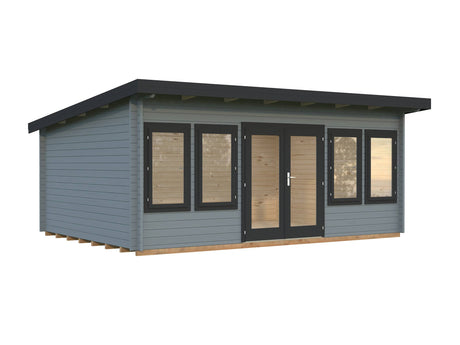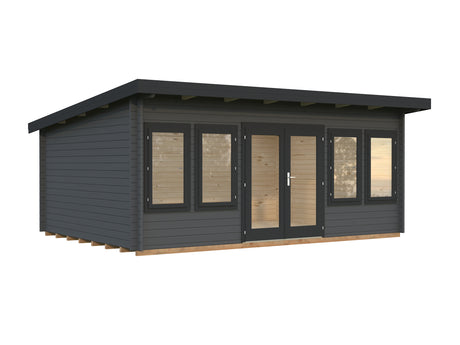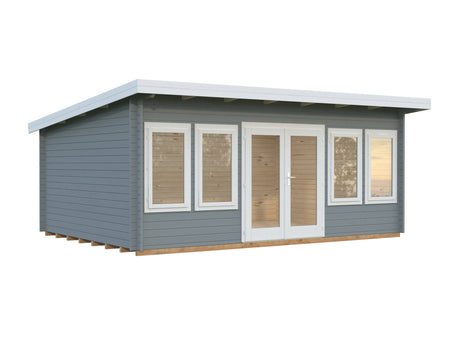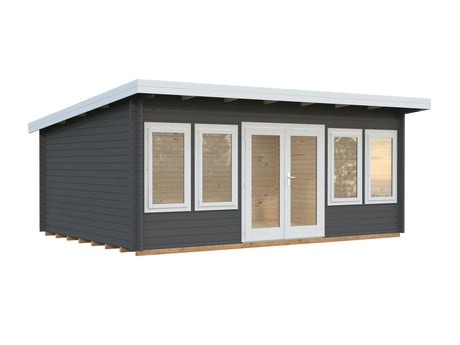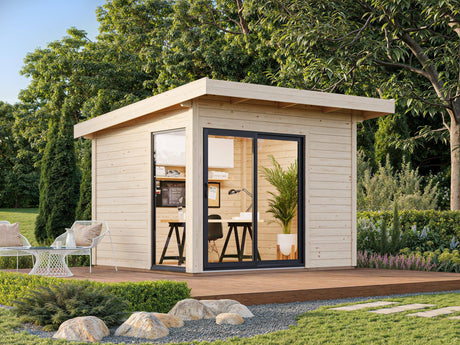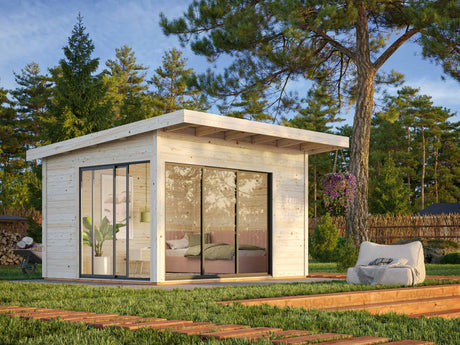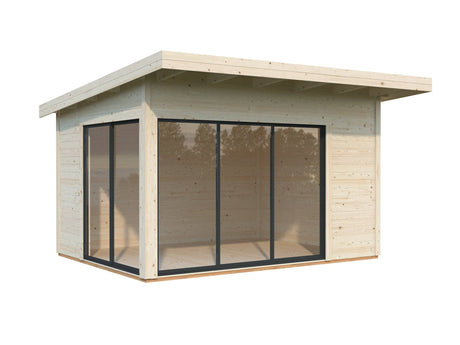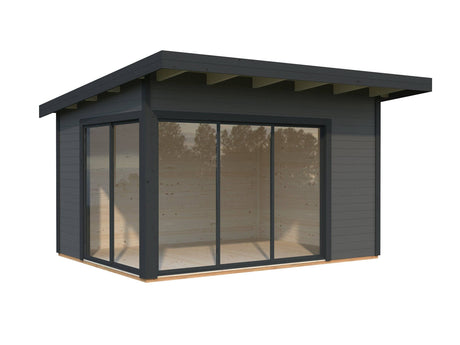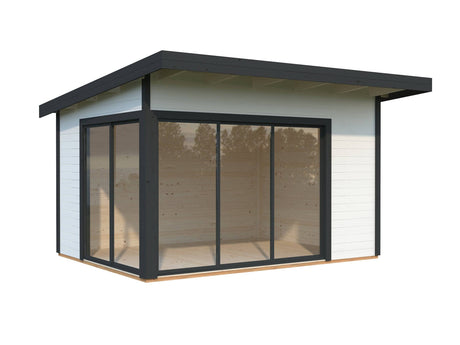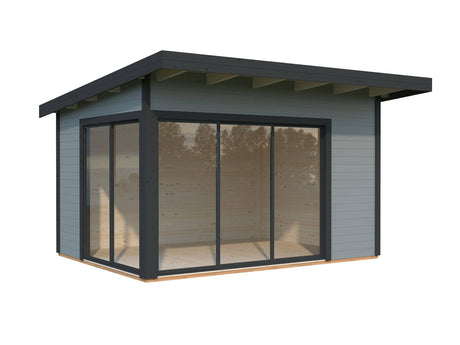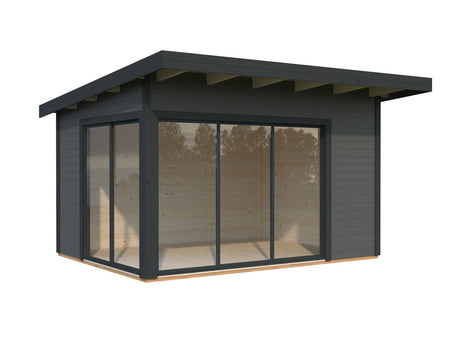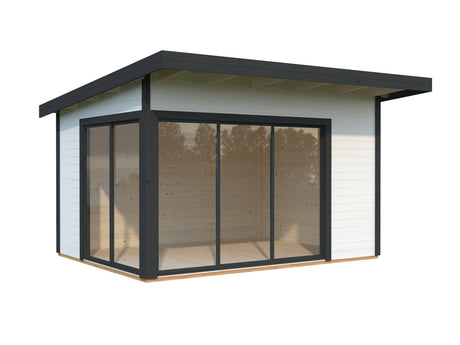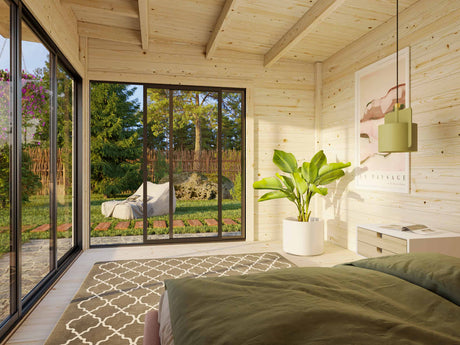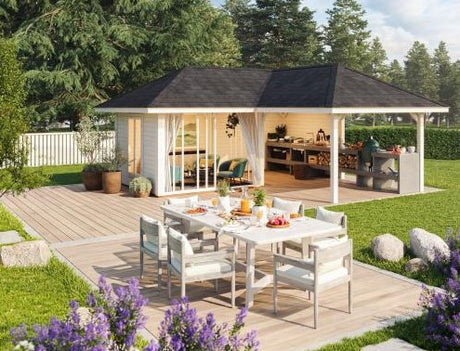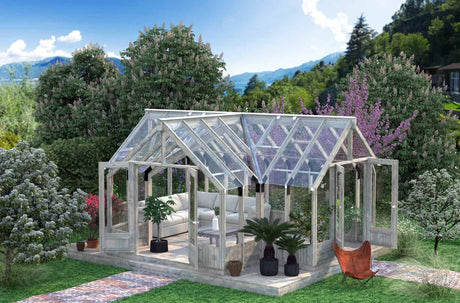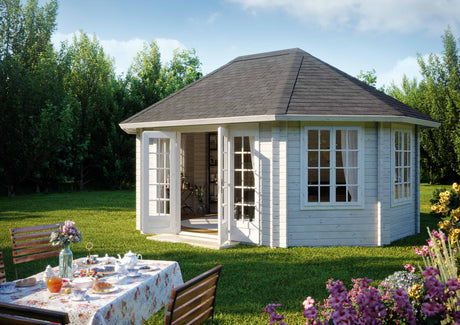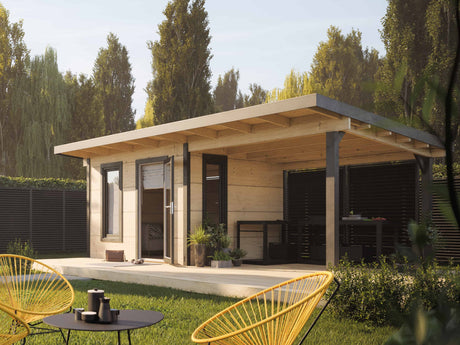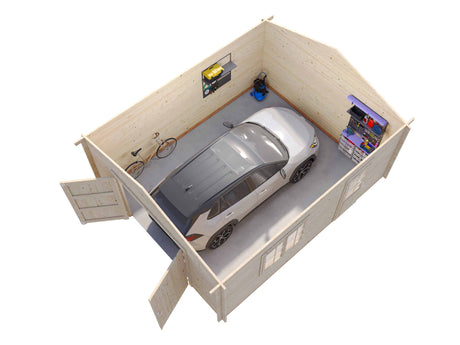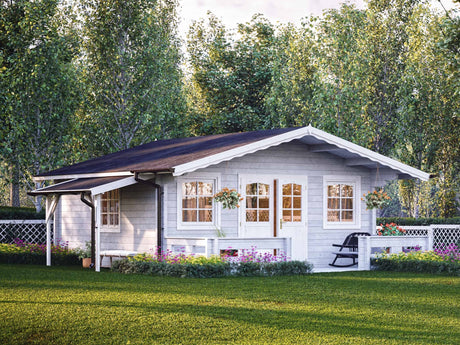


Daylight is receding. The mercury in your thermometer is settling in around 4 to 10°C each day, and your outside garden is turning brown and returning to the earth. This leaves many with a green thumb wondering: are garden rooms warm in the winter? Short answer: they can be.
Longer answer: it depends on how the building is made and what you add to it. A well-designed garden room can stay both comfortable and productive even during very cold temperatures. In this article, we'll look at what factors make the biggest difference.
At a glance
- Garden rooms can be warm in the winter, but it depends on how they are made. Thick timber and insulated walls, double glazing and an insulated floor and roof can retain warmth, particularly when it is generated by a reliable heat source.
- If your garden room lacks these qualities, it will likely be about the same temperature as outside.
Why some garden rooms feel cold and others don't
Garden rooms usually sit apart from the rest of the house. They do not acquire heat from neighbouring rooms, but are instead exposed constantly to the elements. With weather on every side, including the roof and the floor, the potential for heat to escape is very high.
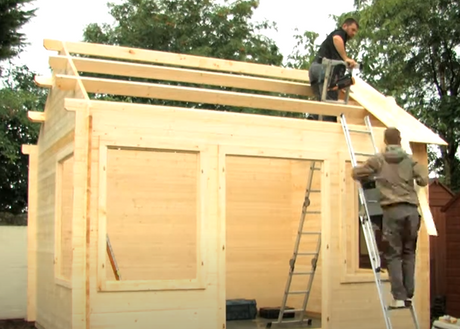
Insulation makes all the difference. Palmako's guide to insulating a log cabin estimates that an uninsulated timber roof can shed up to 25% of a cabin's heat. The floor can lose 10 to 15% more.
High-quality insulation can be the difference between a shed and a true year-round garden room. Building materials, along with optional upgrades, make all the difference.
Factors that determine the warmth of a garden room

Wall thickness and construction
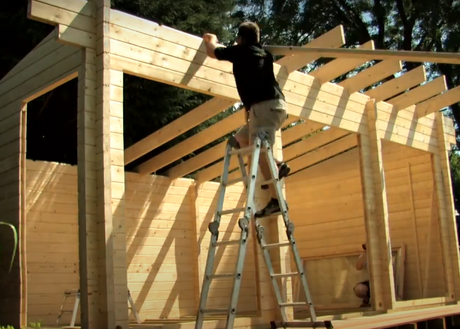
Timber can behave as a natural insulator. Slow-grown Nordic spruce, in particular, is denser than fast-grown wood. That said, the thickness of solid timber will make the biggest difference when it comes to heat loss.
Walls between 19 and 28 millimetres are fine for summer use or storage purposes. However, when it comes to year-round use, logs of 44 to 70 millimetres are more consistent with best practices. In fact, it's the 70mm garden rooms that are best designed for holding heat in the winter.
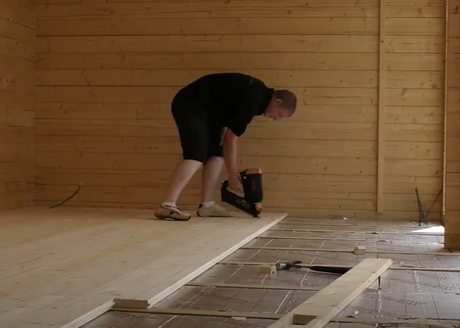
Roof and floor insulation
Warm air rises through the floor and escapes through the roof. Cold air, on the other hand, rises through bare timber, making the whole space feel colder. That's why you'll often notice cold on your feet before anywhere else.
Rigid PIR boards can be effectively applied to both spaces. Foil facing reflects heat back into the room, which adds to the insulating effect. Vapour barriers on the warmer side prevent condensation from building within the structure.
Double or triple glazing
To keep your garden room at an appropriate temperature year-round, double or triple glazing is a good next step. Most garden rooms lose heat quickly because glass does not retain its temperature for nearly as long as solid timber.
Double-glazed windows can help ensure that your garden room functions as a comfortable living space all year round. It does this by reducing heat loss while also eliminating outside noise.
Triple glazing performs better still, but may be rarer in timber garden buildings. It does add both cost and weight. In the majority of garden rooms, double glazing will go a long way towards keeping your space warmer during the winter months.
Draughts and ventilation
Gaps around doors, windows, and roof edges allow warm air out and cold air in. Weather seals, draught strips, and a well-fitted door can make a substantial difference. Remember that the walls, floor, roof, doors, and windows are the most important places to look when it comes to measures that reduce heat loss and allow you to stay comfortable year-round.
Draught-proofing in particular has been identified as one of the most affordable ways to maintain a cosy temperature during cold months.
That said, there is still the need for ventilation, even in a sealed room. Moisture still needs a way of escaping, and airflow is a requirement of any space. Trickle vents can help keep air fresh without losing too much heat.
Heating options
While insulation will keep heat in, during colder months, a true year-round garden room also needs a heat source. Electric radiators or panel heaters are a simple, low-maintenance way to keep and maintain a higher temperature.
There are also oil-filled radiators, infrared panels, underfloor heating options, and air conditioning units with a built-in heat mode. Each option comes at its own price point, with a slate of pros and cons worth exploring thoroughly before you make your decision.
Position in the garden
It's also worth considering where the garden studio is positioned within your property. Sunny spots will accumulate more warmth even in cold months, while natural windbreaks like hedges or walls can potentially reduce the impact of cold winds.
How to choose a garden room for year-round use
To ensure your garden room is truly prepared to stay functional even during the winter, there are a few core considerations:
- Use high-quality roof insulation.
- Maintain airflow through adequate ventilation.
- Use superior insulation materials to significantly reduce the amount of heat that escapes throughout the day.
- And prioritise spots that receive adequate natural light.
A well-planned garden office can increase your property value, provide extra space, and facilitate outdoor enjoyment all year round. However, if you don't take the time to plan appropriately, you're essentially building a glorified shed. The most important work in keeping your shed warm takes place on the front end. Build it right the first time.
Find a garden room you can enjoy all year round
Ready to make more of your garden, whatever the season? Explore Palmako's range of garden rooms, crafted from quality Nordic spruce with a choice of wall thicknesses and glazing options. With over 25 years of timber manufacturing experience and free UK mainland delivery, finding the right garden room for your needs is simple.
Frequently Asked Questions
Can you use a garden room all year round?
Garden rooms can be used all year round, provided they are built for that purpose. It helps to have thick, insulated walls with double glazing on the glass, alongside proper roof and floor insulation. The addition of a heater is necessary as well.
How much does it cost to heat a garden room?
Heating costs depend on the garden room's size, insulation, outdoor temperature, heating system and how frequently you use the space.
To estimate electricity costs, multiply your heater's power consumption in kilowatts (kW) by the hours it operates, then multiply the resulting kilowatt-hours (kWh) by your electricity tariff. Thermostatic controls can reduce consumption by switching the heater off when the desired temperature is reached.
Do I need planning permission for an insulated garden room?
Adding insulation or electric heating to a garden room does not usually require planning permission by itself.
In England, many garden rooms fall under permitted development rights, provided they meet the relevant conditions for height, size, location and use. Different rules apply elsewhere in the UK, and additional restrictions may affect listed buildings or properties in designated areas.
Using a garden room for sleeping or as separate living accommodation may also introduce planning and Building Regulations requirements.
Check the Planning Portal's guidance on outbuildings and confirm the requirements with your local planning authority before construction.
Do Palmako garden rooms come fully insulated?
No. Palmako garden rooms do not include insulation materials as standard. However, the buildings are designed to accommodate additional insulation, with compatible options depending on the model.
Roof and floor insulation can generally be installed during construction, while certain modular designs also support wall insulation.